
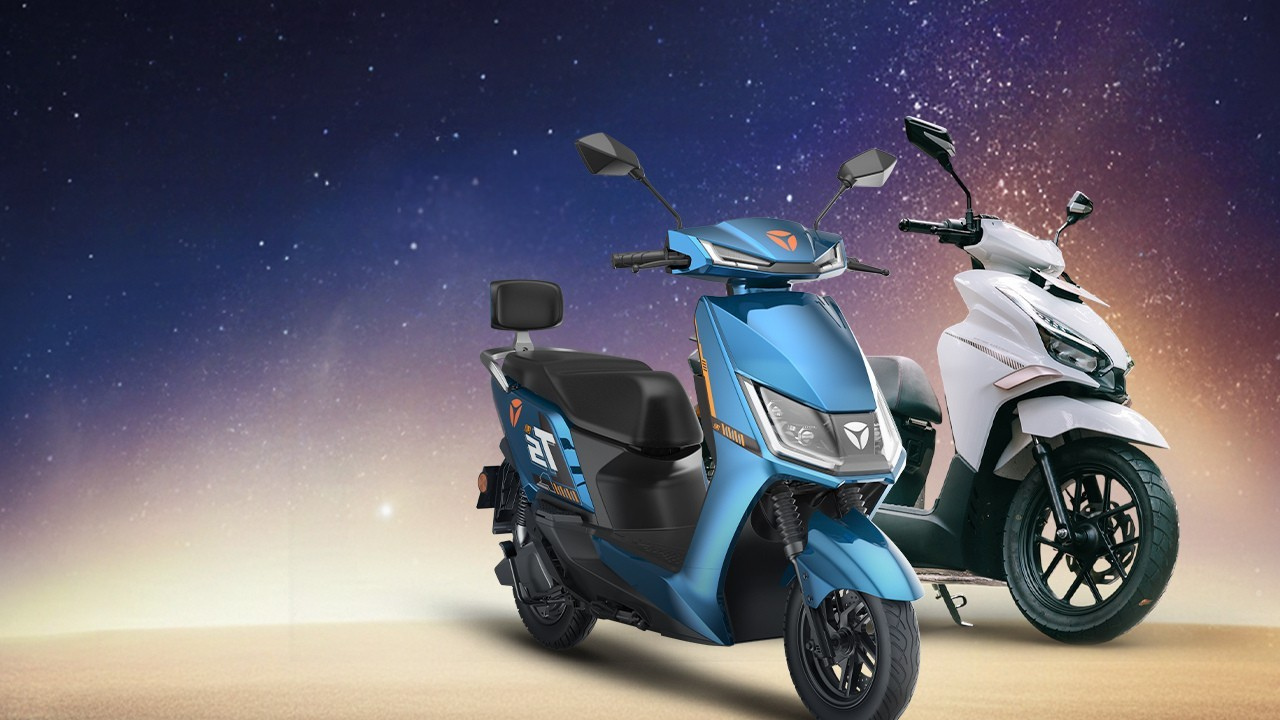
When selecting an electric bike in Pakistan, the key question is usually: how reliable is the battery in daily use? No rider wants lab-tested claims or exaggerated range numbers. What they want is a solution that plugs into a home charger without hassle and delivers strong performance in everyday driving conditions.
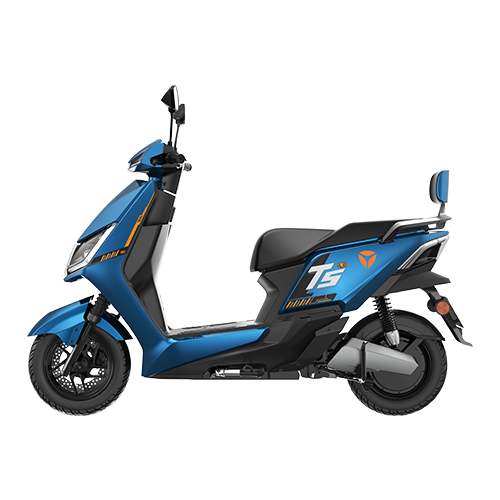
New battery technology is improving the electric bike experience in Pakistan. With the advent of lithium batteries, the overall range and reliability of electric bikes have changed drastically. Let’s examine in more detail what makes lithium batteries stand out.
Lithium Batteries Explained For Electric Bikes
One of the most apparent differences between lithium batteries and traditional lead-acid batteries is how they store and deliver energy. Lithium batteries are much lighter, more consistent in output, and built for longer service life.
For electric bikes, that means greater acceleration control, more predictable performance, and reduced battery-replacement frequency. Most Pakistanis use their two-wheelers every day. They need better batteries, more range, and steady power. Riders require batteries that withstand stop-and-go traffic, short charging windows, and hot weather without compromising efficiency.
Yadea is launching the Lithium Iron Phosphate (LiFePO₄) batteries in certain models. This is about long-life, safe, and reliable daily practicism rather than top speed and outrageous range figures.
Why Lithium batteries
LiFePO₄ (Lithium Iron Phosphate) is a newer-generation lithium chemistry used in high-end e-scooters and electric motorbikes. LiFePO4 batteries have higher thermal stability and safety than other lithium-based batteries.
LiFePO4 cells are far, far more resistant to overheating and fire hazards. Moreover, LiFePO4 batteries are resistant to cycle capacity degradation with cycling and are ideal for durability applications.
Key practical benefits include:
- More effective lifespan than traditional battery types
- Consistent performance amidst repeated stops and starts
- A lighter weight that helps in better handling in city traffic as well as on highways
- Enhanced heat tolerance, which is crucial for summer riding conditions
A reliable battery removes the stress of having to think about your electric bike on a daily basis, allowing you to use it as a reliable daily vehicle.
Everyday Usage Safety and Stability
Coupled with this, one of the key driving forces for the adoption of LiFePO₄ batteries in electric bikes is their safety profile. So far, this chemistry has presented lower thermal risk than traditional lithium-ion chemistries. That additional stability is an important consideration for riders who will be charging at home, typically overnight.
YADEA does not tread on uncertain ground with batteries; We use only reliable lithium and graphene batteries for safety and long life. The aim is to provide stable performance of the battery system over time, which is especially important for users who use their e-bike as their main means of transport.
Charging and Everyday Convenience
When it comes to cost, electric bikes consume approximately 2-2.5 units of electricity per full charge, depending on model and usage pattern. That makes daily running costs predictable and much cheaper than with a petrol alternative.
For riders who frequently commute, this consistency is usually more desirable than aimlessly chasing after theoretical maximum range figures that may never get fully realized.
Lithium vs Other Battery Options
When choosing an EV bike in Pakistan, you might find a variety of battery types, including lead-acid, graphene, and lithium-based batteries. Depending on usage and budget, each has its place.
When your focus is on Lithium batteries, they are at the forefront:
- Long-term ownership
- Lower maintenance involvement
- Performance of years instead of months
Cost Efficiency Over Time
Lithium battery electric bikes come with a higher price tag in some instances, but the long-term economics are generally positive. Longer replacement intervals, consistent charging performance, and reduced maintenance requirements result in overall savings.
Electric bikes cost about Rs. 1 per km to run, while petrol bikes can cost Rs. 8 or more per km, depending on fuel and maintenance. This separation ultimately results in significant savings for a daily rider.
Final Thoughts
Lithium battery EV bikes in Pakistan are not some fad or far-off promise of the future. This is what the core idea of electric mobility resonates around: something reliable, practical, and easy in everyday life.
If you prefer consistent performance over hype, safety, and serviceability, and value a lower total cost of ownership, then lithium batteries are a genuine win for riders.
Book a test drive with Yadea now and experience the future of electric mobility!
